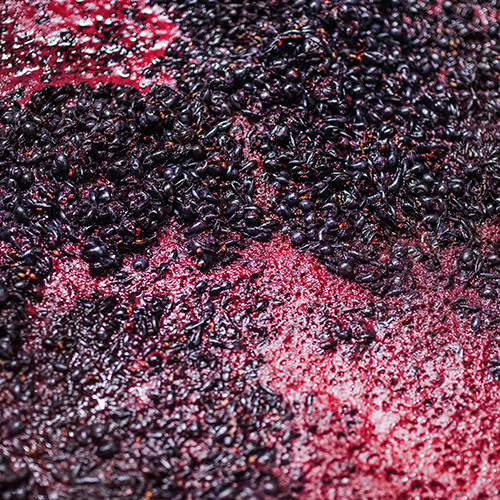
Grapes and must are the foundational elements of any great wine, and ensuring their quality through thorough laboratory analysis is non-negotiable. Winechek’s Grape & Must Laboratory Analysis Checklist empowers winemakers with a clear, structured pathway—highlighting critical control points such as sugar levels, pH, acidity, potential botrytis, and fermentation readiness.
1. Laccase and Gluconic acid - Laccase is an indicator of rot present in grapes. Visual determination does not always detect the presence of rot which can oxidise and brown phenolic compounds extremely quickly in grapes.
RISK - Browning, mould character and increased VA due to spoilage microorganisms.
2. Baume - a density measurement which can indicate how many soluble solids are present, and how much sugar is available for fermentation.
3. pH/TA - This measurement is key to understanding what the starting pH and titratable acidity is, enabling acid additions at the crusher to ensure microbial stability.
1. Volatile acidity - Acetic acid bacteria present on grapes can produce high levels of volatile acidity before the grapes have been harvested. If the VA is above 0.8 g/L (measured in Acetic acid) the fermentation will struggle to commence at all.
RISK - Stuck, sluggish alcoholic fermentation
2. Free and total SO2 - Ensure there are no 'extra' SO2 additions at harvest, if there is a high total, this can cause the yeast to struggle and MLF may not be able to commence or complete.
3. pH/TA/Baume - Ensure the initial parameters of the must is checked to understand ensure winemaking control (microbial stability, sensory, chemical stability).
4. Yeast assimilable nitrogen - YAN is a measurement of how much nitrogen is available for yeast during alcoholic fermentation. This may need to be supplemented to ensure alcoholic fermentation completion. Any water additions must be taken into account and it is best to measure the YAN after any water additions in order to get the most accurate result.
RISK - Stuck or sluggish fermentation
TOOL - LAFFORT nutrition calculator
5. Malic acid - A starting level of malic acid provides a starting point for malolactic fermentation. This is particularly important when co-inoculating lactic acid bacteria
6. Glucose and fructose - measuring the Glucose/fructose ratio at this stage may indicate an uneven ratio which could lead to challenging fermentation.
After alcoholic and malolactic fermentation has completed it is important to check a few critical parameters:
1. pH/TA - A correct and final determination of pH and titratable acidity will ensure there is enough molecular SO2 (available SO2) and highlight whether there are any acid adjustments that need to be made.
RISK - Microbial spoilage (B. bruxellensis, acetic acid bacteria, lactic acid bacteria)
2. Glucose/fructose - The level of residual sugar is essential to understanding how much of a microbial risk the wine is both in storage and when going to bottle. Filtration may be required.
RISK - High levels of residual sugar can promote the growth of B. bruxellensis and provide a carbon source for other undesirable microorganisms such as acetic acid bacteria.
3. Malic acid - this will provide confirmation that malolactic fermentation has completed.
RISK - If it has not completed, there is a risk that the wine may still undergo MLF in bottle, contributing both Carbon dioxide and changes in pH/TA.
4. Alcohol - This may change over the course of maturation, however a preliminary guide is important at this stage.
5. Free and total SO2 - Ensure there is enough sulphur dioxide to control undesirable microorganisms and prevent wine oxidation.
RISK - Microbial spoilage (B. bruxellensis, acetic acid bacteria, lactic acid bacteria)
TOOL - LAFFORT SO2 calculator
Talk to your local Winechek laboratory about what testing you need at the different times during harvest, fermentation, storage and pre-bottling.