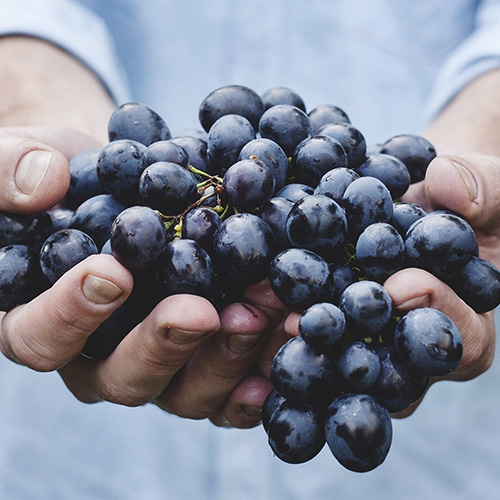
Degrees Baume or Brix is defined as soluble solids per 100g of juice (not per 100ml of juice!) and is a measure of all soluble solids including pigments, acids, glycerol and sugar. Generally, the fermentable sugar content of grape juice is between 90% and 95% of the total soluble solids. Note however, that we make our grape sugar measurements as liquid— we do not weigh the juice. Most winemakers use the Baume measurement to provide an approximate measurement of sugar levels. However, the soluble solids measurements are really only telling us the ratio of sugar to water and do not take into account the specific gravity of the juice.
If we really want to know how much sugar is in our juice, we should use the following formula:
Weight (in g/L) = Brix x Specific gravity x 10
Temperature correction and hydrometer calibration will also impact the final Baume reading. Most hydrometers are calibrated to 20°C. Hydrometer calibration on a regular basis is fundamental to ensuring a correct reading. Understanding what temperature the hydrometer is calibrated to and what temperature correction is required is critical for must that is greater or lower than 20C. Many white juices are held cold and have Baume measured at these low temperatures. There are many other factors involved in the conversion of sugar to alcohol by winemaking yeast, but this short note focuses on the baume measurement itself, which can lead to under or overestimation of the potential alcohol. References available upon request.
There are a number of factors which can impact the reading above from a
processing point of view:
Winechek offer Grape maturity analysis, which entails the following:
Additional options include: