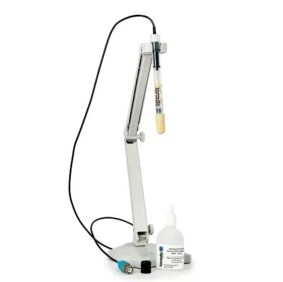

pH is a fundamental parameter in wine and beer production, and also plays a critical role in water quality. Optimal pH supports both microbial and chemical stability, and directly influences the taste and shelf life of fermented products. To ensure accuracy in your testing, your pH electrode must be properly maintained.
Below are practical tips and useful products to help winemakers and brewers get the most accurate and repeatable results from their equipment.
Take your reading, rinse the electrode with distilled water, and place it straight into KCl gel – Electrode storage solution.
Some electrodes need to be refilled with a reference electrolyte. Check the fill level each time the electrode is used and top it up at least weekly when in regular use. Most use a potassium chloride solution or gel, which is the same as your storage solution.
A well-maintained, properly calibrated electrode will deliver a stable reading within about 10 seconds. You should be able to repeat that result within ±0.03 pH units.
If your electrode’s response becomes slow or inconsistent:
If the electrode still isn’t performing, repeat the process or let it recover overnight. As a last step, you can gently clean the bulb with a non-abrasive cream cleanser and soft cloth, then rinse and return it to storage solution.
If results still can’t be trusted – it might be time for a new pH probe.
Prefer a printable version? Download the official PDF guide below:
Download “pH Electrode Care Tips” (PDF)
Related Products:
Let us know if you need help choosing the right setup or need support in re-calibrating your electrode for the season ahead.